
Fighting Over a Fence? How to Resolve Neighbor Disputes Without Going to Court
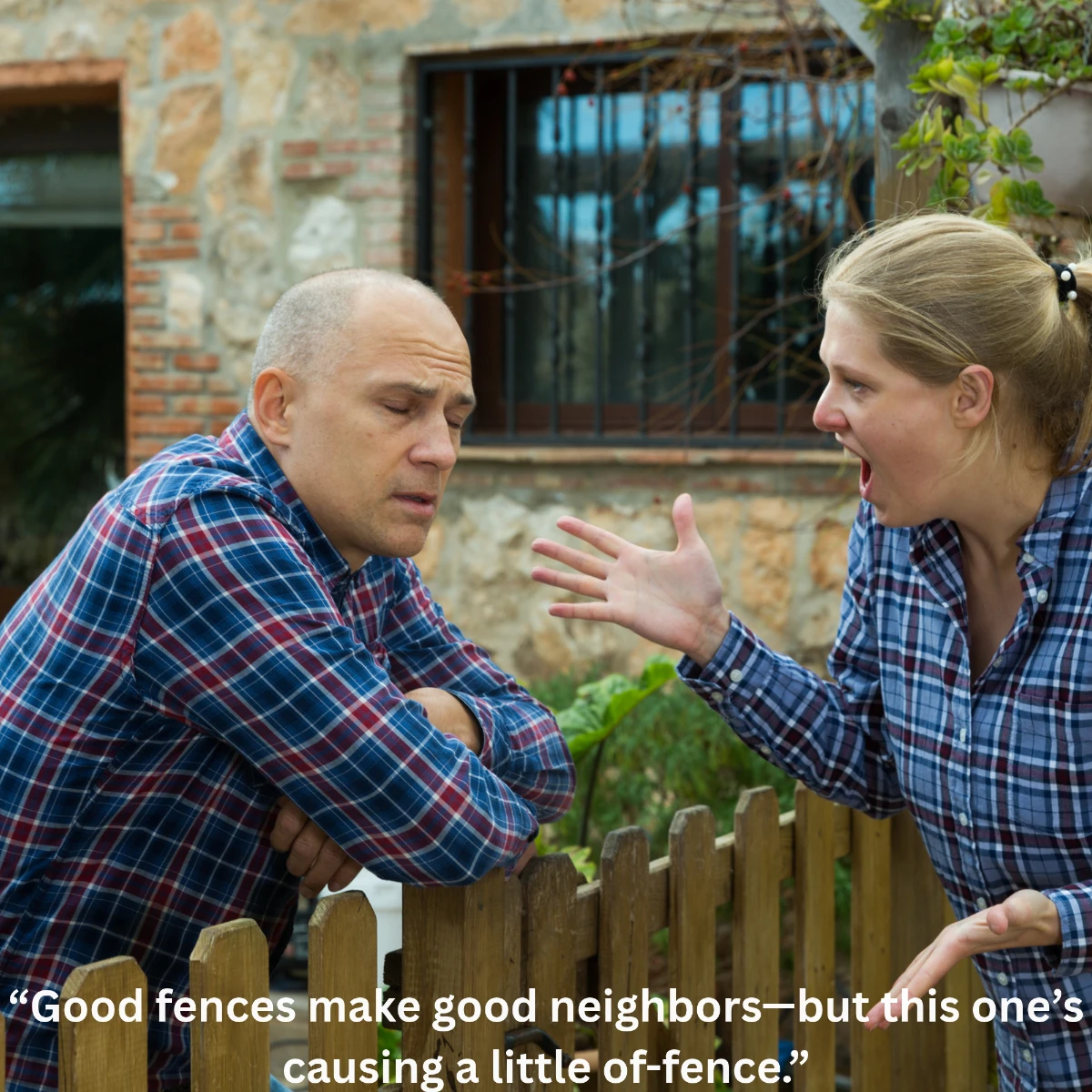
Few things disturb the peace of home like a problem with the people next door. Maybe it's a fence that sits on the wrong side of the property line, a tree dropping branches into your yard, a dog that won't stop barking, or water running off a driveway onto your garden. What starts as a small annoyance can grow into months of tension — short tempers across the hedge, notes left on windshields, and a knot in your stomach every time you pull into the driveway.
The good news is that most neighbor disputes never need a courtroom to get resolved. Mediation offers a calmer, more private way to work things out — one that often costs less, takes less time, and leaves you on speaking terms with the people you'll still be living beside long after the disagreement is over.
Quick Answer
Most neighbor disputes can be resolved through mediation instead of going to court. In mediation, a neutral third person helps you and your neighbor talk through the problem and shape your own practical agreement — about a fence, noise, a tree, shared costs, or anything else. It is usually faster, less expensive, and more private than a lawsuit, and it helps preserve a working relationship with someone who is not going anywhere.
Why neighbor disputes feel so personal
A disagreement with a stranger is one thing. A disagreement with someone whose window faces yours is another. You see each other every day. Your kids may play together. You share a driveway, a wall, or a property line. That closeness is exactly why these conflicts can feel so heavy — and why "winning" in court can still leave you living next to a resentful neighbor for years.
Mediation takes a different approach. Instead of asking who is right and who is wrong, it asks a more useful question: what will actually let both households live comfortably again? That shift, from blame to solutions, is often what breaks the logjam.
What mediation actually looks like
Mediation is simply a structured conversation guided by a neutral person called a mediator. The mediator does not take sides, does not decide who is right, and does not act as anyone's lawyer. Their job is to keep the conversation calm, make sure both people are heard, and help you find common ground.
A typical neighbor mediation might cover what each person is experiencing, what matters most to them, and what a fair, workable fix would look like. Because the two of you know your situation better than any judge ever could, the solutions tend to be more creative and more practical — repairs on a timeline that works, a shared cost split, agreed quiet hours, a new fence line everyone can live with, or simply a clear understanding going forward.
Participation in mediation may be voluntary, or it may be required by a court before a case can move ahead. Either way, the mediator cannot force you or your neighbor to accept any particular settlement. Nothing is final unless both of you agree to it.
The kinds of neighbor problems mediation can help with
People bring all sorts of everyday conflicts to mediation, including:
– Fences, hedges, and property-line disagreements
– Trees, branches, roots, and falling leaves
– Noise from pets, parties, instruments, or equipment
– Water drainage, runoff, and shared gutters
– Shared driveways, walls, and access paths
– Parking and blocked access
– Pets and their behavior
– Shared maintenance and who pays for what
If the issue is something two reasonable people could sort out with the right help and a cooler setting, it is usually a good candidate for mediation.
What mediation can and cannot do
Mediation is powerful, but it is important to be clear about what it is. You and your neighbor shape the terms of any agreement yourselves — the mediator simply helps you get there. If your situation ever does need to be submitted to a court for approval or enforcement, a judge remains the one with the final say. In practice, though, most neighbor agreements never need to go that far.
Mediation is also generally private and confidential, subject to applicable laws and limited exceptions. That privacy is part of what makes it work: people tend to speak more openly, and more honestly, when they are not performing for a courtroom. It is a space to solve a problem, not to build a case.
How to bring it up with your neighbor
Suggesting mediation can feel awkward, but it does not have to be a confrontation. A simple, low-pressure message often works best: something like, "I'd really like for us to sort this out before it gets bigger. Would you be open to sitting down with a neutral mediator so we can talk it through?" Framing it as working together, rather than one of you taking action against the other, makes it far easier for a tense neighbor to say yes.
If you are not sure whether your situation is a fit, that is a good thing to talk through before anything else. At Compass Mediation Group, the first consultation is free, so you can ask your questions and understand your options before deciding on any next step.
A calmer way forward
A dispute with a neighbor can make your own home feel less like a refuge. Mediation offers a way to turn the temperature down, deal with the actual problem, and get back to simply living your life — without a courtroom, a big legal bill, or years of frosty silence over the fence.
A Note From Alisa
In my work as a mediator, I have seen how often a neighbor conflict is not really about the fence or the tree at all — it is about feeling unheard. Once each person has a chance to say what is bothering them, and feels that the other side actually listened, a workable solution usually is not far behind. Your home is your sanctuary, so if it has turned into a battle zone, the best way to defeat the battle is to reach understanding. We can help!
Common Questions
Do I need a lawyer to mediate a dispute with my neighbor?
No. You are not required to have a lawyer to take part in mediation. Mediation is a conversation guided by a neutral mediator, not a court hearing. Some people choose to consult their own attorney about their legal rights before or after mediating, but many neighbor disputes are resolved in mediation without lawyers involved at all.
How is mediation different from going to small claims court?
In court, a judge hears the dispute and imposes a decision. In mediation, you and your neighbor work out your own agreement with the help of a neutral mediator. Mediation is usually faster, more private, and less expensive, and it allows for creative solutions, such as a repair schedule or a cost split, that a court might not be able to order.
What happens if my neighbor refuses to mediate?
Mediation only works when both people are willing to participate, and a mediator cannot force anyone to take part or to accept a settlement. If your neighbor declines, you still have other options to consider, and it can help to speak with a professional about the best path for your specific situation.
Is what we say in mediation private?
Mediation is generally private and confidential, subject to applicable laws and limited exceptions. This means the discussion is usually kept out of later proceedings, which is part of why people feel freer to speak openly and look for solutions together.
What kinds of neighbor problems can mediation handle?
Mediation can help with a wide range of everyday conflicts: fences and property lines, trees and branches, noise, pets, water drainage, shared driveways or walls, parking, and who pays for shared repairs. If it is a problem two people could reasonably solve with the right help, it is often a good fit for mediation.
Helpful Links
Mediation beyond divorce — our business and workplace mediation services (Compass Mediation Group)
Why mediate instead of going to court (California Courts Self-Help Guide)
What community mediation is and how it helps (National Association for Community Mediation)
Compass Mediation Group provides mediation services and does not provide legal advice or representation. Mediation is a voluntary, confidential process, and we encourage you to consult your own attorney about your legal rights.
Please note: Compass Mediation Group provides mediation services, not legal advice or legal representation. Agreements requiring court approval are ultimately subject to the judge's decision.